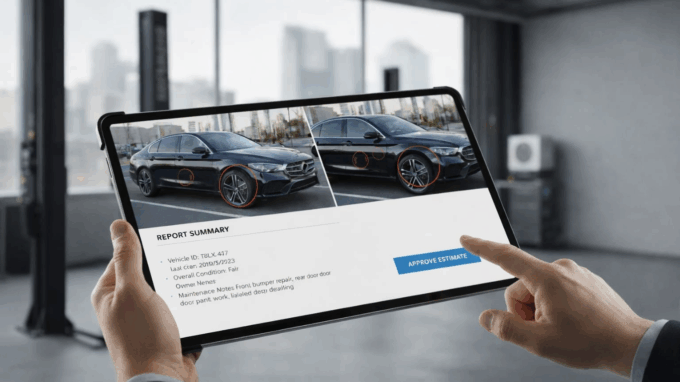
Discover how Fleet Connectivity empowers fleet managers with real-time insights, OEM integration, and AI-driven analytics through Fleetblox’s connected platform.
The workings of fleets are more than ever before. Managers deal with vehicles, drivers, routes, compliance, and costs; all in an attempt to increase efficiency and customer satisfaction. However, there are many fleets which use fragmented systems, disjointed data, and manual processes which introduce blind spots.
Fleet connectivity comes to the rescue here. With linking vehicles, telematics machinery, and cloud-powered analytics to a single ecosystem, businesses are able to make decisions in real time based on data. It does not only aim at tracking cars, but also creating an intelligent, responsive, and predictive fleet operation.
This paper will discuss the true definition of fleet connectivity, the way it operates, and how platforms such as Fleetblox are making fleets all over the world smarter, safer, and more efficient.
What is Fleet Connectivity and Why It is Important
Fundamentally, fleet connectivity can be described as the digital connection of the vehicles, sensors, and software to manage them via cloud and telematics technology. Rather than separate systems, it all plays seamlessly, with vehicles communicating on their performance, location and diagnostics with a central dashboard which can be accessed anywhere.
All this data is connected into actionable insights through a connected fleet platform. As a case in point, when an engine of a vehicle transmits a fault code, the managers can immediately view it, book a service or even stop a downtime before it occurs.
Fleet connectivity is not a tech upgrade, but a strategic change. It changes the way organisations oversee, direct and streamline all vehicles and drivers within their fleet.
How OEM Connectivity and Telematics Integration Power Connected Fleets
Fleet operations have been revolutionized by the change of OEM connectivity (Original Equipment Manufacturer connectivity). Most contemporary cars have inbuilt sensors and communication units that have the potential of relaying data to cloud computing sites.
This can be used to minimize the hardware required in supported vehicles when incorporated in a connected fleet system. Integrated telematics will enable managers to obtain such important metrics as:
- Diagnostic and fault warning of the engine.
- Speed of vehicle, consumption of fuel and idling.
- Driver behavior patterns
- Routing and tracking .
Fleet managers can obtain a more holistic view of operation by taking OEM connectivity (where it exists) and combining it with telematics data, based on the make of the vehicle used, its model, and the area it is in.
The Fleetblox platform is integrated with OEM systems over the cloud where it is supported to establish a source of fleet data that is both unified and dependable, all with no device interconnection.
Fleet Data in real-time: The Principle of Smart Decision-Making.
Timing in fleet management is all that matters. Ripple effects may occur throughout operations to a breakdown, delay or compliance issue. Managers are able to respond in real time with real-time fleet data.
Fleet connectivity enables:
- Immediate notifications when vehicles are out of route or are over speeding.
- Real-time tracking of a better route and precision of delivery.
- Real-time fuel, mileage and usage reports.
- Smart proactive maintenance based on findings and not hunches.
As an illustration, an example is one of the logistics companies with 200 delivery vehicles, which will go ahead and transition to proactive maintenance with AI fleet analytics to minimize downtime and unforeseen expenses.
AI Fleet Analytics and its role in Connected Fleet Systems.
Raw data is useful but it should be intelligently interpreted. This is where AI fleet analytics comes in. AI can analyze the data produced every day, thousands of data points and identify trends and suggest activities to enhance performance.
Key AI benefits include:
- Predictive Maintenance: Anticipate failures in use of parts.
- Driver Performance Scoring: Determine risky behaviors on the road and provide training.
- Fuel Optimization: Identify routes that are inefficient or overidling.
- Asset Utilization Insights: Identify vehicles or routes that are not utilized effectively.
The AI-based dashboard at Fleetblox provides predictive alerts, driver scoring, and optimization metrics at costs that provide managers with clear data to make proactive decisions.
Cloud-Based Fleet Systems: The Motive behind Fleet Connections.
The modern fleet connectivity is based on a cloud-based fleet system. All information is filtered through the cloud available anytime, anywhere as opposed to using the local servers.
Benefits include:
- Scalability: Support 10 or 10 000 vehicles without infrastructure limitations.
- Data Security: Data is secure with an enterprise level encryption.
- Integration Friendly: SF can connect with ERP, CRM or HR systems.
- Remote Access: Manage activities across geographies on a real-time basis.
Fleetblox also provides real-time data visualization, automated reporting, and API integrations that would integrate perfectly with existing business ecosystems.
The essential Advantages of Fleet Connectivity Solutions.
| Benefit | Description |
| Enhanced Visibility | Monitor all vehicles, routes, and performance in one dashboard |
| Lower Operating Costs | Reduce fuel waste, maintenance costs, and downtime |
| Improved Safety | Detect risky driving behaviors and enforce compliance |
| Predictive Maintenance | Identify potential issues before breakdowns occur |
| Better Decision-Making | Use AI insights for smarter planning and resource allocation |
Fleet connectivity is not merely a technology it is an advantage in logistics, delivery, and transport infrastructure.
Implementation of Fleet connectivity in your Organization
The switch to a connected fleet does not necessarily require complexity. Here’s a practical approach:
- Analyze Existing Systems: Determine what sources of data you have currently, including OEM systems, telematics devices, and ERP systems.
- Choose a Scalable Platform: Claim a cloud-based fleet management platform, which has the ability to expand with your business.
- Add Telematics and OEM Data: Add a single dashboard that gathers real-time data on the vehicle and performance.
- Take AI Analytics: Begin with predictive maintenance, followed by increased uses in driver performance, routes and fuel efficiency.
FleetBlox offers onboarding services, easy integration services, and AI-based analytics services in order to assist organizations to move to an integrated fleet ecosystem easily.
The Future of Fleet Connectivity Predictive, Fully Connected, and Autonomous.
The innovation that will be introduced next will entail:
- Vehicle-to-Vehicle (V2V) Communication: Fleets can self-manage to avoid accident and to make the routes more efficient.
- AI powered Compliance Reporting: Audits and documentation are managed in real time.
- Predictive Ecosystems: Fleets are able to foresee demand spikes, wear of the vehicle, and fuel requirements prior to their happening.
Connectivity in fleets will become the norm to the effective, safe and sustainable fleet operation.
Fleet Connectivity FAQs
Q1: What is fleet connectivity?
A: Fleet connectivity signifies the digital unifying of cars, telematics, and management software for monitoring and decision-making in real-time.
Q2: How does telematics integration improve fleet performance?
A: Telematics gives information about vehicle condition, routes, fuel consumption and drivers’ behavior, thus enabling predictive maintenance and causing operations to be optimized.
Q3: What is the contribution of AI in connected fleets?
A: AI looks at the data coming from telematics and OEM to predict maintenance, fuel treatment, driver rating, and overall efficiency improvement.
Q4: How can FleetBlox help implement fleet connectivity?
A: Fleetblox presents a platform based on cloud technology that has OEM integration, AI analytics, dashboards, and onboarding assistance enabling the problem-free networking of fleets.
Conclusion:
Connectivity in fleet management is changing the way fleets are managed by offering real-time view, predictive and operational efficiency through a single connected ecosystem called Fleet Connectivity.
To fleet managers, this is intelligence to act upon that generates profitability and performance.
Check out how Fleetblox connected fleet platform can save you money, efficiently operate, and open the future that is completely connected.